

Welcome back to our vibrant Gardenscape! Today marks a milestone in our gardening year—it’s our first planting day in zone 6B. We’re excited to start transitioning our perennials from pots to their new homes in the ground, confidently moving ahead despite the possibility of light frosts.
We kick off with the Salvias we were fortunate to find last season. With some dedicated cleanup and pruning, these hardy perennials have shown their gratitude with vigorous new growth. It’s rewarding to see such a response from the love and care we’ve given them.
Our project today involves integrating these Salvias into a space previously reserved for annuals, right in front of our Limelight hydrangeas. This change aims for a more semi-permanent landscape structure, enhancing the continuity and flow of our garden.
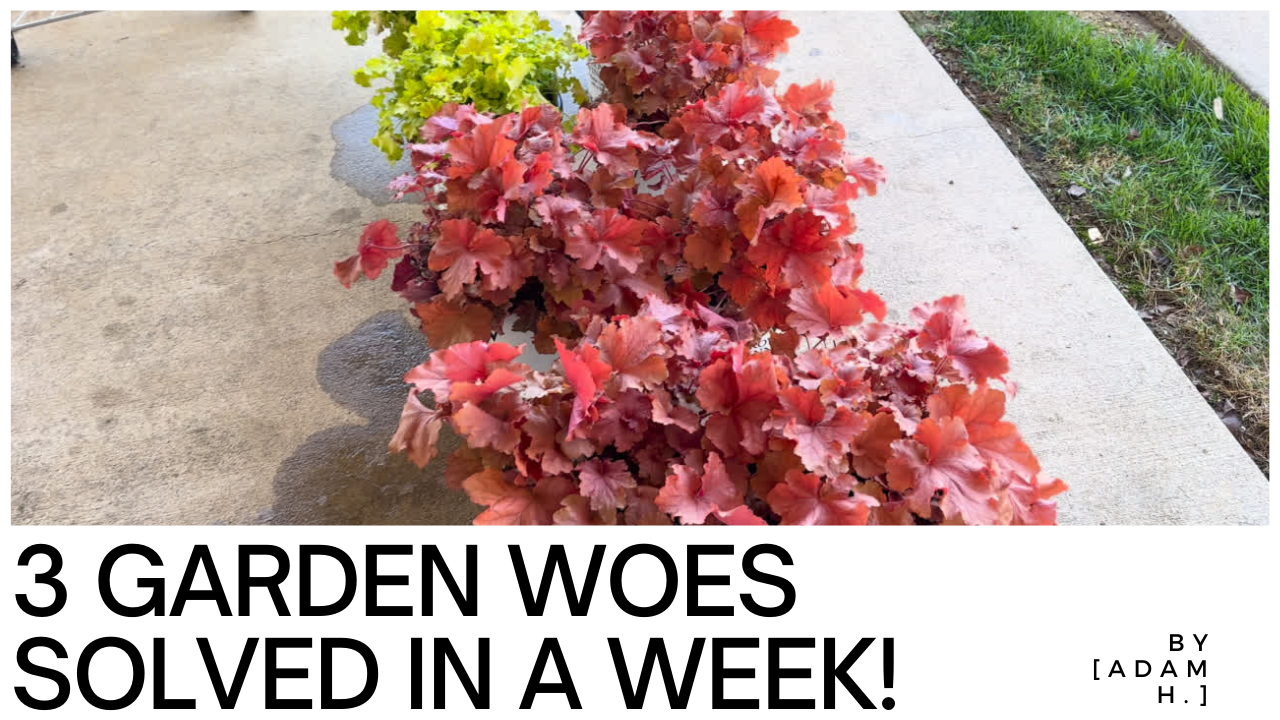
Next, we address an overdue change: replacing our problematic boxwoods with Coral Bells. Despite their deep pots, the Coral Bells’ shallow roots prompt us to modify our planting approach slightly. I start with the central plant to ensure perfect alignment and symmetry, then position the others to fill the space beautifully.
Deeper Dive into Our Plant Selections

Salvias: These perennials are a garden staple for their drought tolerance and long blooming period. We chose a variety that promises vibrant colors and robust growth. Salvias are particularly beneficial for attracting pollinators like bees and butterflies, which play a crucial role in the health of our garden.

Coral Bells (Peachberry Ice): Chosen for their stunning foliage and versatility, Coral Bells are perfect for adding a splash of color. Peachberry Ice offers a unique peach-colored leaf with a silvery overlay, making them a visually striking choice against the green backdrop of traditional plants.
The Task at Hand
Digging into the task, we challenge the limits of our bulb auger. The bed’s heavy clay soil, softened by morning dew, initially seemed daunting. Surprisingly, the soil beneath has transformed into rich, dark loam thanks to our ongoing efforts in planting, fertilizing, composting, and mulching. During the process, I carefully feel through the soil with my hands, making sure not to disturb any hidden rocks or remnants of old boxwood roots.
Tips for Handling Clay Soil

Working with clay soil can be challenging due to its dense, compact nature which can impede water drainage and root growth. Here are a few strategies we employed today to improve our soil structure:
Amendment: We regularly amend the soil with compost and organic matter. This practice has transformed our dense clay into fertile, workable soil over time.
Using a Bulb Auger: The bulb auger is an essential tool for breaking up heavy soil without the back-breaking work of using a shovel. It’s also great for mixing in amendments directly into the planting holes.
Transplanting Techniques
Transplanting root-bound plants can be tricky, as their confined roots need careful handling to avoid stress and damage. Here’s how we ensure a smooth transition:
Root Loosening: Gently massaging the root ball to loosen the tight roots and encourage them to grow outward.
Proper Hole Depth: Ensuring the planting hole is double the width of the root ball but no deeper than the plant was growing in its pot. This prevents the plant from settling too low and promotes better root growth.
Starter Fertilizer: Why and How? Starter fertilizers are high in phosphorous, essential for healthy root development. We opted to introduce a starter fertilizer to give our transplants a nutrient boost, helping them establish quicker in their new environment. This step is crucial, especially in revitalized soil, to integrate the plants with their surroundings and ensure robust growth.
As I prepare to transplant the Salvias, I discover they are somewhat root-bound. With careful handwork, I gently tease the roots apart to encourage them to spread in their new environment. Each plant is welcomed with a dose of starter fertilizer—my first time using this product, recommended by a local nursery.
We backfill the planting holes, securing each Salvia in its forever home. This methodical process is repeated until our lineup of six Salvias is complete.
With all six Salvias and Coral Bells now snugly planted, our garden is already looking refreshed and promising. It’s exciting to witness the transformation and to think about the lush growth that will follow.
Reflecting on the recent bustling activity at our local garden centers, it’s clear that spring has fully sprung—the racks are brimming with plants, a stark contrast to their barren winter state. Today’s efforts not only beautify our garden but also connect us more deeply with the cycle of the seasons and the community of fellow garden enthusiasts.
Please share your gardening journey’s with us! We would love to see your gardens and here your stories. You can send them to us directly, or just put them in the comments!
Thank you for joining us in this transformative week in our garden. If you’ve enjoyed this glimpse into our gardening adventures, check out our website and continue to follow our journey. Don’t forget to like, share, and subscribe for more updates. See you in our next post!


Leave a Reply