
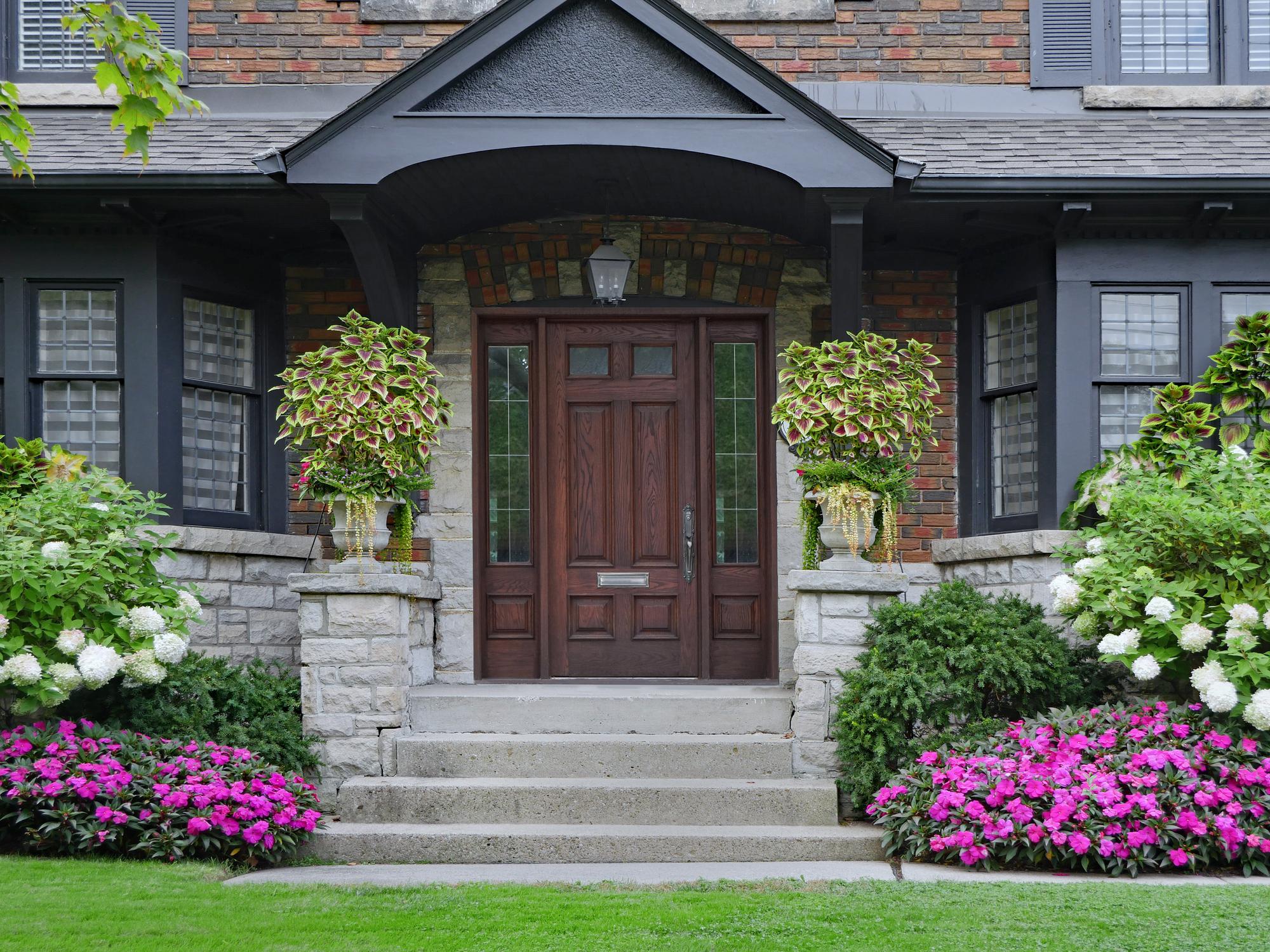
Gardening in Wentzville, Missouri, situated comfortably in USDA Hardiness Zone 6B, requires a keen understanding of the local climate and soil conditions. The region experiences cold winters and warm summers, making it suitable for a wide range of plants, from hardy perennials to vibrant annuals and robust evergreens. Let’s delve deeper into why these plants excel in Wentzville’s climate and how to care for them for the best results.
Perennials for Wentzville Gardens
Coneflower (Echinacea)

Why They Thrive: Echinacea prospers in the fluctuating temperatures of Zone 6B due to its native prairie origins, which equip it to handle both dry spells and cold winters. Its deep taproot allows it to access water in drought conditions, making it a resilient choice for Wentzville gardens.
Optimal Planting Time: Plant coneflower seeds or seedlings in early spring after the last frost, or in the fall before the ground freezes.
Care Instructions: Plant in a spot with full sun to light shade and well-drained soil. Water regularly during the first growing season to establish roots. Once established, coneflowers are drought-tolerant and require minimal care beyond cutting back in late winter or early spring before new growth begins.
Black-Eyed Susan (Rudbeckia)

Why They Thrive: Rudbeckia is well-suited to the Missouri climate, thriving in hot, summer conditions and tolerating cold winters. Its ability to self-seed makes it a low-maintenance perennial for continuous blooms.
Optimal Planting Time: Sow seeds directly in the garden in late fall or early spring. Plant seedlings or young plants in spring after the danger of frost has passed.
Care Instructions: Choose a location with full sun and well-draining soil. Water regularly to establish plants, then only as needed, as Rudbeckia is drought-tolerant. Deadhead spent flowers to encourage more blooms and cut back in late fall or early spring.
Daylilies (Hemerocallis)

Why They Thrive: Daylilies are exceptionally adaptable, thriving in Zone 6B’s variable conditions. They can handle partial shade and various soil types, including Wentzville’s clay soils, once properly amended.
Optimal Planting Time: The best time to plant daylilies in Wentzville is early spring or late fall, allowing roots to establish before extreme temperatures.
Care Instructions: Plant in a sunny to partly shaded area with well-drained soil. Water newly planted daylilies frequently until they are established. Thereafter, they are quite drought-tolerant. Apply a balanced fertilizer in early spring and remove spent blooms to encourage more flowers.
Annuals That Add Seasonal Color
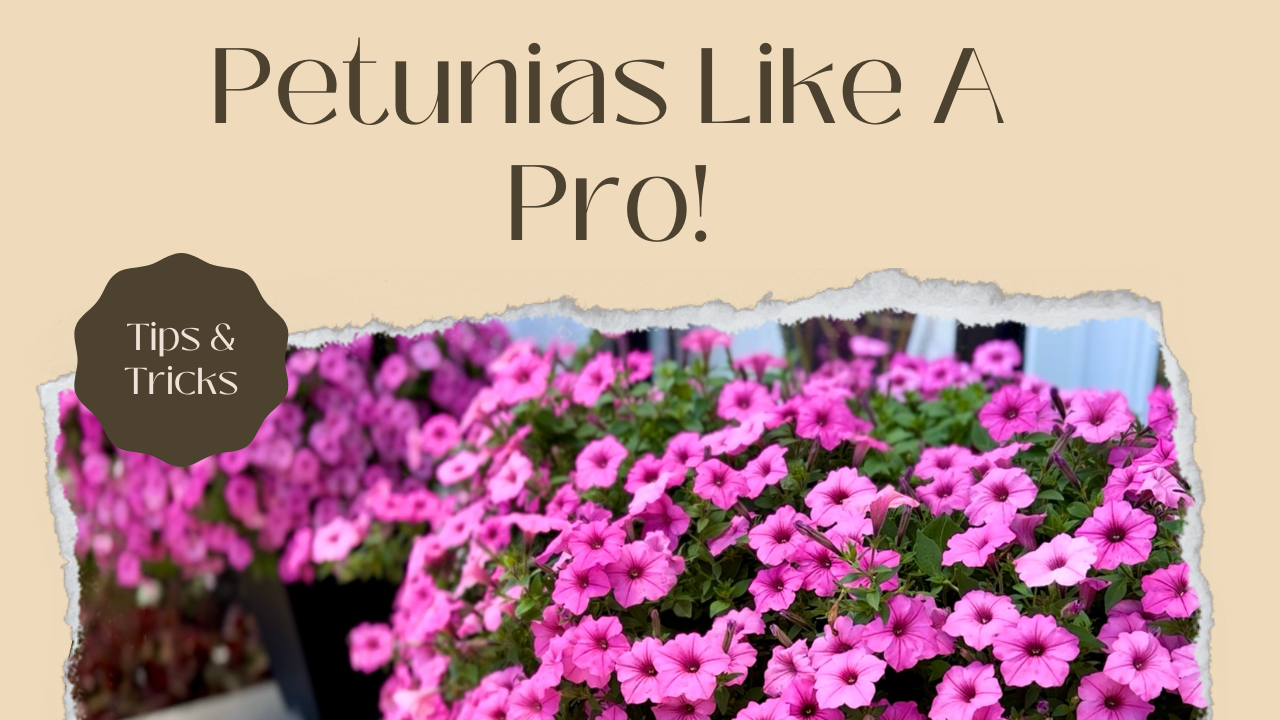
Petunias

Why They Thrive: Petunias are heat-tolerant and can withstand the hot Wentzville summer, blooming continuously from spring until fall frost.
Optimal Planting Time: Plant petunias in the spring after the last frost when the soil has warmed.
Care Instructions: Place in full to partial sun and use well-draining soil. Keep the soil moist, especially during hot, dry periods. Deadheading is not necessary for many varieties, but regular feeding with a balanced, water-soluble fertilizer will promote continuous blooms.
Marigolds

Why They Thrive: Marigolds love the sun and warmth, making them perfect for the Missouri climate. They are also naturally pest-resistant, adding to their appeal for gardeners.
Optimal Planting Time: Sow marigold seeds directly into the garden after the last frost, or start indoors 6-8 weeks before the last frost date.
Care Instructions: Plant in full sun in moderately fertile, well-drained soil. Water at the base to avoid wetting the foliage, reducing the risk of diseases. Deadhead regularly to encourage more blooms.
Zinnias

Why They Thrive: Zinnias are heat-tolerant and grow well in Missouri’s summer climate. They are also resistant to most pests and diseases, making them a low-maintenance choice for vibrant color.
Optimal Planting Time: Direct sow zinnia seeds in the garden after the last frost. For an earlier bloom, start seeds indoors 4-6 weeks before the last frost date.
Care Instructions: Plant in a location that receives full sun for most of the day. Zinnias prefer well-drained soil and regular watering, especially during dry spells. Deadhead spent blooms to extend the flowering period.
Evergreens and Shrubs for Year-Round Interest
Boxwood (Buxus)

Why They Thrive: Boxwoods are hardy in Zone 6B, tolerating cold winters while maintaining their lush, green appearance. Their adaptability to pruning makes them ideal for formal gardens or as natural privacy screens.
Optimal Planting Time: Early spring or fall is the best time to plant boxwood, avoiding the extreme heat of summer.
Care Instructions: Plant in well-drained soil with access to full sun to partial shade. Water deeply once a week to encourage root growth, and mulch to retain moisture. Prune in late winter or early spring before new growth starts.
Hydrangeas

Why They Thrive: Some hydrangea varieties, especially those bred for cold tolerance, do well in Wentzville, blooming throughout the summer into fall. They can handle the cold winters with some protection.
Optimal Planting Time: Plant in spring or fall, avoiding the summer heat.
Care Instructions: Hydrangeas prefer morning sun and afternoon shade in Wentzville. Plant in rich, well-drained soil and water deeply once a week, more during hot, dry spells. Mulch to keep roots cool and moist. For most varieties, prune in late winter or early spring, though some newer varieties bloom on both old and new wood and require minimal pruning.
Arborvitae (Thuja)

Why They Thrive: Arborvitae are evergreen and cold-hardy, making them excellent for privacy screens and windbreaks in Wentzville’s varied climate.
Optimal Planting Time: Plant in early spring or early fall to allow the roots to establish before extreme temperatures.
Care Instructions: Choose a site with full to partial sun and well-drained soil. Water regularly during the first few years to establish the root system, then as needed. Mulch to retain soil moisture and regulate temperature. Prune lightly in early spring to shape as needed.
Selecting the right plants for Wentzville, Missouri, and providing them with the care they need will ensure a thriving garden throughout the growing season. By understanding the specific requirements of each plant and considering the local climate and soil conditions, gardeners can enjoy a vibrant and healthy garden from spring to fall, and even year-round.



Leave a Reply